
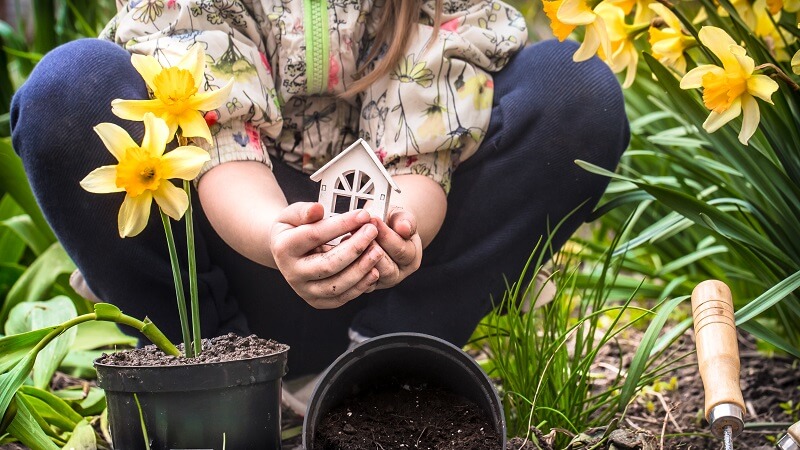
A beautiful garden is more than just plants and soil—it’s a peaceful escape, a place for creativity, and an extension of your home’s personality. Whether you’re caring for a small backyard, a balcony garden, or a full outdoor landscape, the right strategies can make your space look vibrant, healthy, and well-designed. In this ultimate guide, we explore expert methods, step-by-step instructions, and proven practices that will help you build a garden you can be proud of. This long, detailed article delivers everything you need, from soil care to seasonal maintenance, decoration ideas, landscape planning, and modern gardening hacks. Here you’ll find practical garden tips decoradhouse suitable for everything from compact balcony planters to large backyard landscapes.
1. Understanding Your Garden Space
Before planting anything, you must understand the characteristics of your outdoor space. Successful gardening starts with knowing what your land, light, and climate allow.
1.1 Evaluate Sunlight Exposure
Most plants fall into three categories:
- Full sun: 6–8 hours of direct light
- Partial sun/partial shade: 3–5 hours
- Full shade: Less than 3 hours
Walk through your garden at different times of the day to see where sunlight falls. This observation will help you choose the right plants and avoid issues like burnt leaves or slow growth.
1.2 Check Soil Type
Your soil may be:
- Clay soil – dense, slow draining
- Sandy soil – fast draining but low in nutrients
- Loamy soil – ideal balance of drainage and nutrients
If you’re unsure, grab a handful of moist soil and squeeze:
- Clay holds its shape
- Sand falls apart
- Loam crumbles gently
Healthy soil is the foundation of a thriving garden.
1.3 Understand Your Climate
Your region’s weather patterns determine what plants survive year-round. Consider:
- Temperature ranges
- Rainfall frequency
- Seasonal extremes
Choosing weather-appropriate plants reduces maintenance and increases success.
2. Designing Your Garden Layout
A well-planned layout improves beauty and functionality.
2.1 Divide the Space Into Zones
Common garden zones include:
- Flower beds
- Vegetable patches
- Relaxation or seating areas
- Pathways
- Water features
- Play zones (if needed)
Separating zones makes your garden feel organized and visually appealing.
2.2 Choose a Style
Popular garden styles:
- Modern minimalist — clean lines, simple plants
- Cottage style — colorful flowers, rustic pathways
- Zen/Japanese style — stones, bamboo, water features
- Mediterranean style — terracotta pots, lavender, stone tiles
Choosing a style helps you stay consistent with decoration and plant choices.
2.3 Plan Pathways and Borders
Pathways add structure and help in easy movement. Use these garden tips decoradhouse to balance beauty and functionality when laying out pathways, borders, and zones.
- Stone slabs
- Gravel
- Wooden tiles
- Bricks
Borders such as bricks, stones, or metal edging add neat finishing.
3. Preparing Soil for Healthy Growth
Soil preparation is crucial for successful planting.
3.1 Remove Weeds and Old Roots
Clear your beds of weeds, rocks, and debris. Weeds compete for nutrients and water, so removing them early saves effort later.
3.2 Improve Soil Texture
Enhance soil by adding:
- Compost
- Organic matter
- Manure
- Mulch
- Leaf mold
These ingredients improve drainage, moisture retention, and nutrient levels.
3.3 Maintain Soil pH
Most plants prefer slightly acidic-to-neutral soil (pH 6–7).
You can test soil pH using a store kit.
To adjust:
- Add lime to raise pH
- Add sulfur to lower pH
Balanced soil helps plants absorb nutrients effectively.
4. Choosing the Right Plants
Selecting suitable plants ensures year-round beauty.
4.1 Perennials vs. Annuals
- Perennials return every year (roses, lavender, lilies)
- Annuals last one season but offer bright color (marigold, petunia)
A mix creates beauty and stability.
4.2 Native Plants
Native plants thrive naturally in your climate and require less water and maintenance.
4.3 Companion Planting
Some plant combinations improve soil and deter pests, such as:
- Tomatoes + basil
- Carrots + onions
- Roses + garlic
This natural method keeps your garden healthy.
5. Planting Techniques for Maximum Growth
Correct planting is just as important as plant selection.
5.1 Spacing
Overcrowding prevents sunlight and air circulation, causing diseases. Follow the spacing instructions on plant labels.
5.2 Proper Depth
Planting too deep or too shallow harms root growth. Ensure the top of the root ball sits level with the soil surface.
5.3 Watering After Planting
Water newly planted items thoroughly to remove air pockets and help roots settle.
6. Smart Watering Strategies
Watering is one of the most important aspects of gardening.
6.1 Water Deeply, Not Frequently
Deep watering encourages root growth. Most plants prefer:
- 1–2 inches of water per week
- Morning watering to reduce evaporation
6.2 Use Mulch
Mulch helps retain moisture and reduce weeds. Apply a 2–3 inch layer around plants.
6.3 Install Drip Irrigation
Drip systems deliver water directly to the roots, saving up to 50% water.
7. Seasonal Garden Care
Gardens change with the seasons; your care should too.
7.1 Spring
- Add compost
- Plant new flowers
- Prune dead branches
- Remove winter mulch
7.2 Summer
- Water regularly
- Shade heat-sensitive plants
- Watch for pests
7.3 Fall
- Plant bulbs
- Rake fallen leaves
- Fertilize lawns
7.4 Winter
- Protect plants with coverings
- Store tools properly
- Prune dormant shrubs
8. Garden Decoration and Aesthetic Enhancements
A beautiful garden is more than plants; decoration plays a key role.
8.1 Add Garden Furniture
Choose outdoor furniture made of:
- Wood
- Metal
- Rattan
- Weather-resistant plastic
This creates a relaxing space for family or guests.
8.2 Use Garden Lighting
Lighting improves safety and atmosphere. Options include:
- Solar lights
- String lights
- Lanterns
- Pathway lamps
8.3 Install Water Features
A fountain or mini pond enhances calmness and attracts birds.
8.4 Use Pots and Planters
Decorative pots add color and allow easier plant movement.
9. Pest and Disease Control
Healthy gardens require pest management.
9.1 Natural Pest Control
Try:
- Neem oil
- Soapy water spray
- Vinegar solutions
- Beneficial insects like ladybugs
9.2 Identify Common Pests
Common garden pests include:
- Aphids
- Caterpillars
- Snails
- Whiteflies
Identify early to prevent damage.
9.3 Prevent Diseases
Avoid diseases by:
- Watering soil, not leaves
- Spacing plants correctly
- Removing infected leaves promptly
10. Organic Gardening Methods
Organic gardening protects your garden and the environment.
10.1 Composting
Compost kitchen waste such as:
- Vegetable scraps
- Coffee grounds
- Eggs shells
This reduces waste and enriches your soil.
10.2 Natural Fertilizers
Use organic materials like:
- Cow manure
- Fish emulsion
- Bone meal
- Seaweed extract
These strengthen plants naturally.
11. Low-Maintenance Gardening Tips
If you don’t have much time, these tips help:
11.1 Choose Easy-Care Plants
Lavender, aloe vera, snake plants, and succulents require little attention.
11.2 Install Automatic Irrigation
This ensures regular watering even when you’re busy.
11.3 Add Ground Covers
Ground covers reduce weeds and help maintain moisture.
12. Budget-Friendly Garden Ideas
Gardening doesn’t need to be expensive.
12.1 Reuse Household Items
Use old containers, bottles, and crates as planters.
12.2 Propagate Plants
Create new plants from cuttings instead of buying new ones.
12.3 Buy Plants During Off-Season
Garden centers often discount plants during end-of-season sales.
13. Final Thoughts
Follow these garden tips decoradhouse to create an outdoor space that brings beauty, relaxation, and lasting value to your home. With the right knowledge, any outdoor space can turn into a vibrant and relaxing environment. From soil preparation and plant selection to decoration and year-round maintenance, every step contributes to the garden you dream of.
This detailed guide, combined with reliable methods and expert insights, will help you create the outdoor retreat you’ve always wanted. With patience, creativity, and the right planning, your garden can thrive in every season and bring peace, beauty, and value to your home.