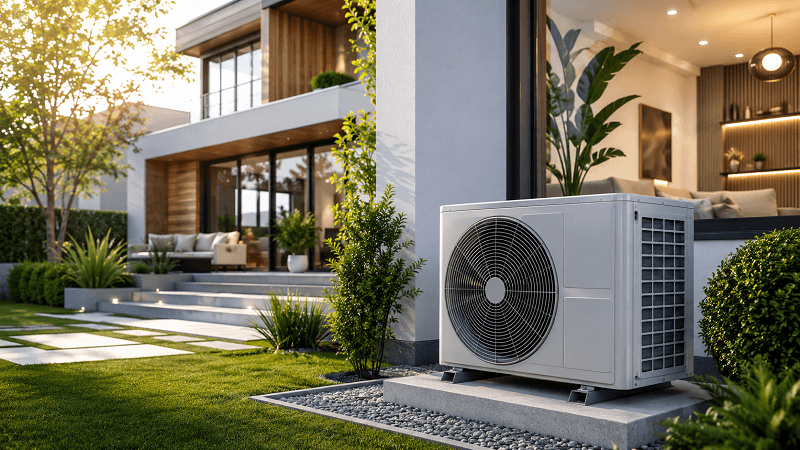
A new air conditioner can quietly change how your home feels to live in. Rooms stay more comfortable. Bills go down. And with today’s slimmer, smarter systems, you don’t have to sacrifice your home’s look to stay cool.
Most homeowners don’t realize how much a dated AC system affects their space, not just in temperature, but in noise, humidity, and even how a room looks and feels day to day.
How AC Replacement Can Improve Your Home’s Design and Cut Energy Costs
AC replacement has come a long way, and the benefits go further than most people expect. Here’s what’s worth knowing going in.
1. Modern AC Units Are Built to Blend In
Older air conditioning systems weren’t exactly designed with aesthetics in mind. Big and bulky boxes, noisy compressors, and wall units that stuck out like a sore thumb were just part of the deal.
That’s changed significantly. Today’s systems are sleeker, quieter, and designed to work with your home’s layout. Ductless mini-splits, for example, mount high on the wall with a slim profile and no visible ductwork. They barely register in a room’s design.
Some homeowners are even opting for concealed cassette units that sit flush in the ceiling. From the inside of the room, all you see is a subtle vent. That’s a big deal if you care about keeping your interiors clean and uncluttered.
2. AC Replacement and Energy Savings Go Hand in Hand
This is where the numbers get interesting. An aging AC system doesn’t just cool your home less effectively; it often costs significantly more to run than a newer model.
Replacing a 10-year-old central AC unit with a modern, high-efficiency model can cut your cooling costs by 20 percent. Over a few summers, that adds up to real savings.
Newer systems carry a SEER2 rating (Seasonal Energy Efficiency Ratio), and anything rated 15 or higher is considered efficient by today’s standards. The higher the rating, the less energy the system uses to cool the same space.
Here’s a Tip: If your current unit is more than 10 years old and your energy bills keep creeping up, the system is likely losing efficiency. A newer model often pays for itself faster than people expect.
3. Better Comfort Means a Better-Feeling Home
A well-matched AC system doesn’t just hit a temperature number. It manages humidity, moves air evenly, and keeps rooms from feeling stuffy or uneven. That’s a big part of what makes a home feel pleasant to live in.
Older systems tend to short-cycle, meaning they blast cold air and shut off before the humidity in the room has been properly addressed. You end up with a space that feels cold but still clammy.
Newer variable-speed systems run longer at lower intensities. They pull moisture from the air more gradually, which leads to a more comfortable and consistent indoor climate.
4. It Can Boost Your Home’s Value
Home buyers pay attention to HVAC systems more than most sellers realize. A newer, efficient AC unit signals that the home has been maintained and that the buyer won’t face a large replacement cost right after moving in.
According to ENERGY STAR, energy-efficient upgrades are among the improvements buyers notice most, especially in warmer climates where air conditioning runs for months at a time.
A recent AC replacement can also be a selling point in listings. “New high-efficiency HVAC” is the kind of detail that moves people from curious to serious.
5. Smart Thermostats Make the Whole System More Responsive
Most modern AC systems pair easily with smart thermostats, and that connection can meaningfully improve how your home operates day-to-day. Smart thermostats learn your schedule, automatically adjust cooling, and let you control everything from your phone.
Some utility providers offer rebates for installing qualifying systems, so it’s worth checking locally before you commit to a specific unit. The combination of a new, efficient system and a smart thermostat is one of the more practical upgrades a homeowner can make without touching a single wall.
Choosing an AC System That Fits Your Home and Lifestyle
Not every system works for every home. The right choice depends on how your home is built and what you’re trying to achieve design-wise.
Central air conditioning works well in homes with existing ductwork that’s in good shape. It’s discreet and consistent, with vents built into the ceiling or floor.
Ductless mini-splits are a better fit for homes without ducts, older properties, or spaces where room-by-room control matters. They’re also popular in home additions and converted garages
Heat pump systems are worth considering if you also need heating. They handle both functions with a single unit, simplifying your setup and reducing equipment clutter.
What to Expect During the AC Replacement Process
AC replacement doesn’t have to be a week-long ordeal. Most standard residential replacements take one to two days, depending on the system type and whether ductwork needs any attention.
A few things to keep in mind going in:
- Get a load calculation done. This tells your contractor what size system your home actually needs. Sizing matters more than most people realize.
- Ask about current rebates. The Inflation Reduction Act includes tax credits for qualifying heat pump installations. The ENERGY STAR federal tax credits page is a good place to start.
- Don’t skip the duct inspection. If you’re keeping your existing ductwork, have it checked for leaks. A new system running through leaky ducts won’t perform the way it should.
Making Your Home More Comfortable Starts with the Right Upgrade
A new air conditioner isn’t just about staying cool. The right system brings your energy bills down and adds real value to your home without requiring a full renovation. Newer systems are quieter, cleaner-looking, and noticeably more efficient than what most homes are running today.
And the longer you wait on an aging unit, the more you pay to keep it limping along. At some point, replacing it stops being an expense and starts being the smarter financial move.
Whether your current system is on its last legs or you’re simply ready for something better, the options available now are genuinely worth exploring. You’re not just buying cold air. You’re upgrading how your home feels to live in.