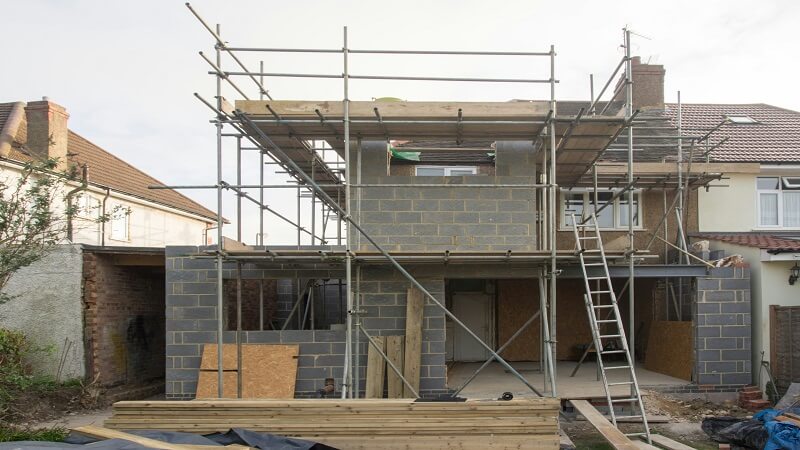
Thinking about tackling your first big exterior renovation?
Home improvement is rewarding. However, it can be very difficult if you do not know what you are doing. The exterior of your home makes a big statement to your guests. It also takes a lot of punishment throughout the years from rain, sun, and traffic.
Good news for novice renovators: You can ace these projects.
This guide breaks down everything you need to know before lifting a single tool.
Here’s what you’ll discover:
- Why Exterior Renovations Matter
- Choosing The Right Render For Your Walls
- Planning Your First Exterior Project
- Common Exterior Projects To Tackle
- How To Avoid Budget Blowouts
Why Exterior Renovations Matter
Exterior work is more than just curb appeal.
It shields your home from the elements, increases property value and will save you money. Neglect it and you’ll pay for it twice with structural damage, damp problems and increased energy bills.
Here’s the thing:
Many homeowners view exterior projects as purely cosmetic in nature. However exterior improvements such as rendering, roofing and drainage are the defences that protect your home. According to the latest figures from the MFP home renovation survey, 13% of homeowners carry out renovations to improve the outside of their home for aesthetic and practical purposes.
That’s a large percentage of the market that is outside focused. So if you are new to doing something like this? You’re among friends!
Choosing The Right Render For Your Walls
One of the biggest exterior decisions you’ll make as a first-time renovator?
What to render your walls with. Render looks neat and tidy, gives your property a nice finished appearance and also protects the brickwork beneath it. There are many types of render available however the most common type is sand and cement render. This is a traditional blend and has been used for years.
Why is it so popular?
- It’s affordable
- It’s durable
- It’s easy to colour or paint over
However, before deciding on sand and cement render, it’s wise to shop around and compare prices with silicone, monocouche or acrylic render. All these have varying costs, longevity and finishes.
A quick rundown of what affects sand and cement render cost:
- The size of the area being rendered
- The condition of the existing walls
- Whether scaffolding is needed
- Labour rates in your area
- Any extra prep work (like removing old render)
When considering render types for your first renovation job sand and cement render will probably be the most cost-effective option. However, price shouldn’t be the only thing to factor in when making this choice – remember maintenance costs in the future as well.
Planning Your First Exterior Project
Before grabbing any tools, you need a plan.
A good plan will make the difference between an enjoyable remodel and a costly disaster. The biggest mistake made by rookie renovators is jumping into projects blindly.
Don’t be one of them.
Start by writing down:
- The exact goal of the project (repair, refresh, or full overhaul?)
- A realistic budget (with 15-20% extra for surprises)
- A timeline that accounts for weather delays
- A list of materials and tools required
- Whether you need any permits or council approvals
Now… here’s the bit that catches most first-timers out.
Going over budget is exceedingly common when playing this game. According to the 2026 Houzz & Home Study, 37% of homeowners who renovated went over their planned budget in 2025. That’s a massive percentage, and it’s almost always due to poor planning — not bad fortune.
Common Exterior Projects To Tackle
First-time renovators often get overwhelmed by the sheer number of exterior projects out there.
So here’s a simple list of the most common ones to consider:
Roofing
Roofing is often at the very top of homeowners’ exterior remodeling lists. A roof in need of repair can cause huge problems in the future – water damage, mould, structural integrity and more. If your roof is more than 20 years old, have it inspected first.
Windows and Doors
Drafty windows and doors suck up your heat (& your cash). Updating them benefits your energy costs and curb appeal. Leave it to the experts unless you’re handy with tapes & measures.
Driveways and Pathways
Cracked or uneven surfaces don’t just look bad — they’re tripping hazards. Resurfacing or replacing your driveway is one of the most DIY-friendly exterior projects for beginners.
Painting and Cladding
Paint or new cladding can make an old exterior look like new in no time at all. It’s one of the lowest-cost, highest impact improvements for the outside of your home.
Gutters and Drainage
Yawn, but true. Clogged or cracked gutters spill water where it can damage foundations and walls. Clean them twice a year, at least.
How To Avoid Budget Blowouts
You’ve already seen the stats — over a third of renovators blow their budgets
So how do you avoid joining them? Follow these practical tips:
- Get several quotes. Never automatically hire the first tradesperson to respond to you. Try to obtain at least 3 quotes for any significant work.
- Purchase materials yourself if possible. Contractors typically inflate the price of materials. You can save yourself some money by buying it yourself.
- Prevent scope creep. Follow your plan. It’s easy to “whilst you’re at it” yourself into a much larger project.
- Time it right. Labour rates will be cheaper during the off-season for some exterior work (fall/winter).
- Do-it-yourself the easy stuff. Painting, easy landscaping, and prep work are normally things you can do yourself.
Here’s a pro tip:
Set aside 15-20% of the overall budget as a “contingency fund”. You’ll be glad you did. Consider it part of the price of doing the project, not a bonus.
Final Thoughts
Tackling your first exterior renovation can feel daunting.
However, with careful planning, quality materials, and some cost-effective budgeting, you can create a stylish space that will stand the test of time. Don’t bite off more than you can chew. Choose one project to complete at a time and do it well.
Quick recap of what to do:
- Plan everything in detail before starting
- Get multiple quotes from trusted tradespeople
- Choose materials based on long-term value, not just price
- Always have a contingency fund ready
- Start with smaller, manageable jobs to build confidence
Your home’s exterior is your first line of defense against Mother Nature. Take care of it and she’ll take care of you.