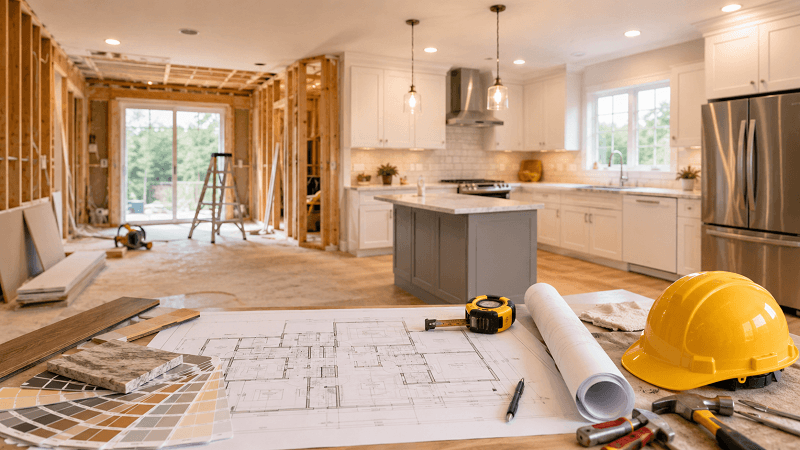
Home renovation can be one of the most exciting projects for homeowners. Whether you want to modernize your living space, improve functionality, or increase property value, a renovation can transform your home into the space you’ve always wanted. Without proper planning, home renovations can become stressful, costly, and take longer than expected.
Understanding how to plan a Stress-Free Home Renovation is the key to avoiding common mistakes and ensuring a smooth experience from start to finish. With the right strategy, realistic expectations, and careful organization, you can successfully complete your renovation while minimizing disruptions to your daily life.
This comprehensive guide will walk you through every stage of the renovation process, helping you stay on budget, manage timelines, and make informed decisions.
Why Planning Matters Before Renovation
Many renovation problems begin long before construction starts. Homeowners often rush into projects without setting clear goals or creating a realistic budget. This can lead to unexpected expenses, project delays, and unnecessary stress.
Proper planning helps you:
- Define your renovation objectives.
- Create a realistic budget.
- Avoid costly mistakes.
- Select the right contractors.
- Reduce project delays.
- Maintain better control over the entire process.
The more time you invest in planning, the smoother your renovation journey will be.
Step 1: Define Your Renovation Goals
Before contacting contractors or purchasing materials, determine exactly what you want to achieve.
Ask yourself:
- Why am I renovating?
- Which rooms need improvement?
- What problems am I trying to solve?
- Is this renovation for personal enjoyment or resale value?
Some common renovation goals include:
Improving Functionality
Many homeowners renovate to create more practical living spaces. This may involve expanding kitchens, adding storage, or creating open floor plans.
Enhancing Appearance
Updating outdated designs, flooring, paint colors, or fixtures can dramatically improve a home’s appearance.
Increasing Property Value
Strategic upgrades can make a home more attractive to future buyers and increase resale value.
Improving Energy Efficiency
Modern windows, insulation, lighting, and appliances can reduce utility costs while making the home more comfortable.
Write down your priorities so every decision aligns with your main objectives.
Step 2: Establish a Realistic Budget
Budgeting is one of the most important parts of any renovation project.
Start by estimating:
- Labor costs
- Materials
- Permits
- Design fees
- Temporary accommodation (if needed)
- Furniture and décor
- Unexpected expenses
Follow the 20% Rule
Many renovation experts recommend setting aside an additional 10–20% contingency fund for unforeseen issues.
Unexpected problems can include:
- Hidden water damage
- Electrical issues
- Structural repairs
- Plumbing complications
Having a contingency budget prevents financial stress when surprises arise.
Prioritize Spending
If your budget is limited, focus first on essential improvements before cosmetic upgrades.
For example:
- Structural repairs
- Electrical systems
- Plumbing
- Roofing
- Interior finishes
This approach ensures critical work gets completed first.
Step 3: Create a Detailed Renovation Plan
A clear roadmap helps keep the project organized.
Your renovation plan should include:
- Project goals
- Budget estimates
- Room-by-room priorities
- Material selections
- Contractor information
- Timeline expectations
Create a checklist for every stage of the project. Breaking large tasks into smaller steps makes the renovation feel more manageable.
Step 4: Research Design Ideas
Before construction begins, gather inspiration for your project.
Look at:
- Home improvement websites
- Interior design magazines
- Renovation blogs
- Social media platforms
- Model homes
Create a folder containing:
- Paint colors
- Flooring options
- Cabinet styles
- Lighting ideas
- Furniture inspiration
Having a clear design vision reduces indecision during the renovation process.
Step 5: Hire the Right Professionals
Choosing experienced professionals can significantly reduce stress.
Depending on the project, you may need:
- General contractors
- Architects
- Interior designers
- Electricians
- Plumbers
- Flooring specialists
For plumbing-related renovation work, homeowners can also consider Plumber Now Charlotte for repairs, installations, or unexpected plumbing issues.
Check Credentials
Always verify:
- Licenses
- Insurance coverage
- References
- Previous work samples
- Online reviews
Request Multiple Quotes
Obtain at least three quotes before making a final decision.
Compare:
- Pricing
- Project timelines
- Scope of work
- Warranty terms
Avoid selecting contractors solely based on the lowest price. Quality workmanship often saves money in the long run.
Step 6: Understand Permit Requirements
Many renovations require permits from local authorities.
Projects that commonly require permits include:
- Structural modifications
- Electrical upgrades
- Plumbing changes
- Additions
- Major remodeling
Failing to obtain permits can result in:
- Fines
- Project delays
- Legal issues
- Reduced property value
Consult your contractor or local building department to determine which permits are required.
Step 7: Set a Realistic Timeline
One of the biggest causes of renovation stress is unrealistic scheduling.
Understand that delays can occur due to:
- Material shortages
- Weather conditions
- Permit approvals
- Contractor availability
- Unexpected repairs
Create a timeline with flexibility built in.
Sample Renovation Timeline
Week 1–2
Planning and design.
Week 3–4
Permit approvals and material ordering.
Week 5–8
Demolition and structural work.
Week 9–12
Electrical, plumbing, and mechanical systems.
Week 13–16
Interior finishing and inspections.
Remember that every project is unique, so timelines may vary.
Step 8: Choose Materials Early
Material delays can significantly impact renovation schedules.
Select key materials before construction begins:
- Flooring
- Cabinets
- Countertops
- Paint
- Fixtures
- Appliances
Ordering materials early helps avoid supply chain delays and last-minute compromises. When renovating a property, coordinating the delivery of materials and large fixtures is just as important as the construction work itself, and Independent Courier Load Boards can help connect shippers with available transport providers to keep projects running on schedule.
Balance Quality and Budget
While premium materials can be attractive, they are not always necessary.
Focus on:
- Durability
- Maintenance requirements
- Warranty coverage
- Long-term value
Choose products that fit both your style and budget.
Step 9: Prepare Your Home
Renovations can be disruptive, especially if you remain in the house during construction.
Before work starts:
- Remove valuables.
- Protect furniture.
- Clear work areas.
- Store fragile items safely.
- Create alternative living arrangements if needed.
Protect Against Dust
Construction dust can spread throughout the home.
Use:
- Plastic barriers
- Air purifiers
- Protective covers
Taking preventative measures helps maintain a cleaner environment.
Step 10: Communicate Effectively
Clear communication is essential throughout the project.
Schedule regular updates with contractors to discuss:
- Progress
- Challenges
- Budget adjustments
- Timeline changes
Keep all important information documented through:
- Emails
- Contracts
- Written approvals
- Project notes
Good communication reduces misunderstandings and keeps everyone aligned.
Step 11: Expect the Unexpected
Even well-planned renovations encounter surprises.
Common issues include:
- Hidden mold
- Outdated wiring
- Plumbing leaks
- Structural concerns
Rather than becoming frustrated, view these discoveries as opportunities to improve your home’s safety and functionality.
Maintaining flexibility is an important part of learning how to plan a Stress-Free Home Renovation successfully.
Step 12: Monitor Progress Without Micromanaging
Stay involved in the renovation process without interfering with professionals.
Conduct regular walkthroughs and ask questions when necessary.
Monitor:
- Quality of work
- Material installation
- Timeline progress
- Budget status
Trust your contractor’s expertise while remaining informed about project developments.
Step 13: Keep Renovation Stress Under Control
Home renovations naturally create temporary inconvenience.
Here are practical ways to reduce stress:
Stay Organized
Keep all documents in one location:
- Contracts
- Receipts
- Design plans
- Invoices
Focus on the End Result
Temporary disruptions are easier to manage when you remember the long-term benefits.
Maintain Realistic Expectations
Perfection is rarely achievable in renovation projects.
Small adjustments and unexpected changes are normal parts of the process.
Take Breaks
Avoid obsessing over every detail.
Spend time away from the project to maintain perspective and reduce stress.
Common Renovation Mistakes to Avoid
Avoiding these mistakes can save significant time and money.
Skipping the Planning Phase
Poor planning often leads to budget overruns and project delays.
Underestimating Costs
Always include a contingency fund.
Choosing the Cheapest Contractor
Low prices sometimes result in poor workmanship.
Constant Design Changes
Frequent changes can increase costs and extend timelines.
Ignoring Permits
Permit violations can create expensive legal complications.
Purchasing Materials Too Late
Late orders often delay project completion.
Renovation Tips for Families
Families face unique challenges during renovations.
Create Safe Zones
Keep children and pets away from active construction areas.
Maintain Daily Routines
Consistent schedules help reduce disruption for family members.
Plan Temporary Living Spaces
Set up comfortable areas where family activities can continue during construction.
Communicate Expectations
Make sure everyone understands the renovation schedule and anticipated disruptions.
Post-Renovation Checklist
Once construction is complete:
Conduct a Final Walkthrough
Inspect every area carefully.
Check:
- Paint quality
- Fixtures
- Flooring
- Doors
- Windows
- Electrical outlets
Obtain Documentation
Request:
- Warranty information
- Inspection reports
- Permit approvals
- Maintenance instructions
Deep Clean the Home
A thorough cleaning removes construction dust and prepares the space for everyday living.
Celebrate the Completion
After months of planning and hard work, take time to enjoy your newly renovated home.
Final Thoughts
Learning how to plan a stress-free home renovation requires preparation, organization, and patience. While renovations inevitably involve some challenges, proper planning can dramatically reduce complications and help you stay in control throughout the process.
Start by defining clear goals, creating a realistic budget, hiring qualified professionals, and maintaining open communication from beginning to end. By preparing for unexpected situations and staying flexible, you can transform your home with far less frustration.
A successful renovation is not just about beautiful results—it is about creating a smoother experience that allows you to enjoy the journey as much as the finished space. With the strategies outlined in this guide, you will be well-equipped to complete your renovation confidently and efficiently.