
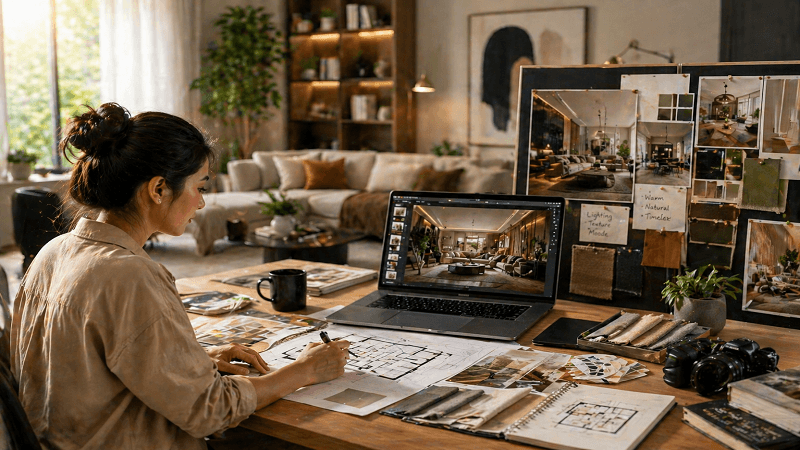
Designing a beautiful home isn’t just about choosing the right furniture or paint colors; it’s about how you bring your vision to life before a single piece is placed. Whether you’re a homeowner planning a renovation or a decorator pitching ideas to clients, the way you present your concepts matters just as much as the concepts themselves.
In today’s digital-first world, static mood boards and hand-drawn sketches are quickly being replaced by dynamic, visually compelling presentations. Tools like AI slides are making it easier than ever to transform raw ideas into polished, professional visuals that communicate your design intent clearly and persuasively.
Why Presentation Matters in Interior Design
Imagine trying to explain a full living room redesign using only words. Even the most vivid descriptions can fall short. Clients may struggle to picture spatial layouts, color harmony, or how textures interact. That’s where visual storytelling becomes essential.
A well-crafted presentation helps:
- Bridge the gap between imagination and reality
- Build confidence in your design choices
- Reduce misunderstandings and revisions
- Create emotional connection with the concept
When clients can see the outcome, decision-making becomes faster and more intuitive.
The Shift Toward AI-Powered Creativity
Interior design has always evolved alongside technology. From CAD software to 3D rendering tools, designers have embraced innovation to improve both process and results. Now, artificial intelligence is pushing things even further.
AI-powered presentation tools allow you to:
- Generate layout ideas instantly
- Turn text descriptions into visual slides
- Maintain consistent styling across presentations
- Save hours on formatting and design work
This doesn’t replace creativity it enhances it. Instead of spending time aligning text boxes or choosing fonts, you can focus on refining your vision.
Real-Life Example: From Concept to Client Approval
Let’s say you’re redesigning a small apartment living room. You’ve chosen a minimalist style with neutral tones, layered textures, and multifunctional furniture.
Traditionally, you might:
- Create a mood board
- Collect sample images
- Write a concept description
Now imagine turning that into a sleek slide presentation:
- One slide shows the color palette with visual swatches
- Another displays furniture options in context
- A third illustrates layout possibilities
By presenting this visually, your client immediately understands the flow and feel of the space. They’re not guessing they’re experiencing.
How to Create Impactful Design Presentations
If you want your ideas to stand out, it’s not just about the tools you use it’s how you use them. Here are some practical tips:
1. Start with a Clear Narrative
Every design has a story. Maybe it’s about creating calm in a busy household, or adding personality to a neutral space. Define that story early and let it guide your slides.
2. Keep It Visually Focused
Avoid overcrowding slides with text. Use:
- High-quality images
- Simple captions
- Clean layouts
Let visuals do most of the talking.
3. Use Consistent Design Elements
Stick to a cohesive style throughout your presentation:
- Same color palette
- Matching fonts
- Balanced spacing
Consistency builds professionalism and trust.
4. Highlight Key Decisions
Don’t overwhelm your audience with too many options. Instead:
- Present curated choices
- Explain why each element works
- Guide the viewer toward a clear direction
5. Think Like Your Client
Your client may not understand design jargon. Keep explanations simple, relatable, and focused on benefits:
- “This layout improves natural light flow.”
- “These textures add warmth without clutter.”
Blending Technology with Personal Style
One concern many designers have is losing their unique voice when using automated tools. But the truth is, technology is only as good as the input you provide.
Your taste, your experience, and your perspective still shape the final outcome. AI simply helps you execute faster and more efficiently.
Think of it as a creative partner not a replacement.
The Future of Home Design Communication
As more homeowners become visually savvy thanks to platforms like Pinterest and Instagram the expectations for design presentations are rising. People don’t just want ideas; they want to see how those ideas fit into their lives.
This shift means:
- Designers need to communicate more clearly
- Visual content must be more engaging
- Speed and adaptability are crucial
Those who embrace modern tools will not only save time but also create stronger connections with their audience.
Final Thoughts
Interior design is ultimately about transforming spaces in a way that feels both functional and inspiring. But before any transformation happens, there’s a crucial step: helping others understand and believe in your vision.
By combining thoughtful design principles with smart presentation techniques, you can elevate your work from concept to compelling reality. The tools you choose can make that process smoother, faster, and far more impactful but it’s your creativity that makes it meaningful.
When your ideas are presented with clarity and confidence, great design doesn’t just get noticed it gets approved, appreciated, and brought to life.